

Undercarriage parts are critical to the performance, stability, and longevity of heavy equipment. From construction and mining to land clearing and demolition, the undercarriage absorbs constant stress in demanding operating environments. This guide covers essential undercarriage components, routine maintenance best practices, common repair indicators, and how to choose between OEM and aftermarket parts to keep your equipment operating efficiently. Undercarriage parts form the foundation of tracked heavy machinery. These components support the machine’s weight, transfer power to the ground, and allow controlled movement across uneven or abrasive terrain. Each component plays a role in maintaining traction, balance, and efficiency. High-quality undercarriage parts help reduce downtime and extend overall equipment life. Tracks provide traction and flotation on soft, uneven, or rugged ground. Regular inspections for cracks, stretching, and misalignment help prevent premature failure. Track rollers support the machine’s weight and guide track movement. Worn rollers can cause uneven wear and increased stress on other components. Idlers maintain proper track tension, while sprockets transfer power from the drive system to the track chain. Both are essential for smooth and efficient operation. Excavator undercarriages are designed for digging efficiency and controlled movement. Proper alignment and routine maintenance are critical for long service life. Bulldozers require undercarriage components capable of handling continuous pushing forces and heavy ground contact. Undercarriage parts are critical to the performance, stability, and longevity of heavy equipment. From construction and mining to land clearing and demolition, the undercarriage absorbs constant stress in demanding environments. This guide explains the most important undercarriage components, how to maintain them, when to replace worn parts, and how to choose between OEM and aftermarket options to keep your equipment operating efficiently. Undercarriage parts form the foundation of tracked heavy machinery. They support the machine’s weight, transfer power to the ground, and allow smooth movement across uneven or abrasive terrain. Each component works together to ensure proper traction, balance, and mobility. Using quality undercarriage parts helps reduce downtime and extend overall equipment life. Heavy equipment tracks provide traction and flotation on soft, uneven, or rough surfaces. Regular inspection for cracks, stretching, and misalignment helps prevent premature failure. Track rollers support the machine’s weight and guide the tracks during operation. Worn rollers can cause uneven wear and reduced performance if not addressed early. Idlers help guide the tracks and maintain proper tension, while sprockets transfer power from the drive system to the track chain. These components are essential for stability and efficient power delivery. Excavator undercarriages are designed for digging efficiency and controlled movement. Durability and alignment are critical for long service life. Bulldozers require undercarriage parts capable of handling extreme pushing forces and continuous ground contact. Selecting the correct undercarriage parts depends on machine type, operating conditions, and wear patterns. Our team can help identify the right components for your equipment. ? Browse Undercarriage Parts High-quality undercarriage parts play a critical role in heavy equipment performance and reliability. Choosing durable components, maintaining them properly, and replacing worn parts on time helps reduce downtime and extend machine life.What Are Undercarriage Parts?
Key Undercarriage Components
Tracks
Track Rollers
Idlers and Sprockets
Undercarriage Parts by Equipment Type
Excavators
Bulldozers
Loaders and Compact Equipment
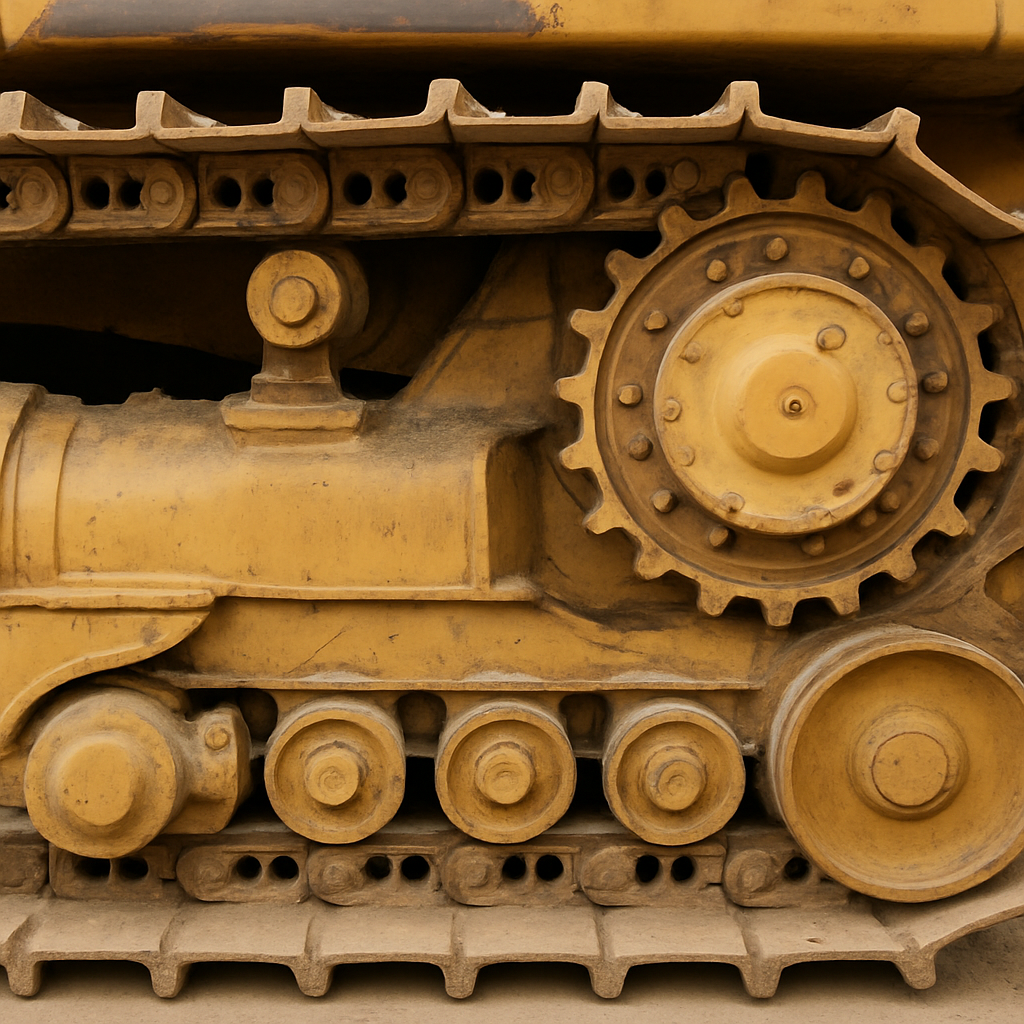
What Are Undercarriage Parts?
Key Undercarriage Components for Heavy Equipment
Tracks
Track Rollers
Idlers and Sprockets
Types of Undercarriage Parts by Equipment
Excavators
Bulldozers
Loaders and Compact Equipment
Brand-Specific Undercarriage Parts
Importance of Undercarriage Maintenance
Common Undercarriage Repairs and When to Replace Parts
Choosing Quality Undercarriage Parts: OEM vs. Aftermarket
OEM Parts
Aftermarket Parts
Tips for Extending the Life of Your Undercarriage
Need Help Choosing Undercarriage Parts?
? Contact Us for Fitment HelpConclusion
Your Cart